
What Makes Godspeed Resonate as a Fashion Label Name
A name carries weight long before any stitch is visible. As buyers flick through dozens upon dozens of logos in mere seconds, the ones that catch the eye are the ones that resonate at first glance, or at least give that impression. Godspeed is a rare kind of word that pulls off both — it feels like a line your grandfather could’ve offered before hitting the road, and it also feels right at home printed on a hoodie sleeve. That push-pull of past and present is exactly why the name holds up in a saturated clothing market. What follows explores what the word genuinely means, why it suits an apparel brand so well, and how its central offerings — the godspeed hoodie and godspeed shirt collectionstranslate that meaning into what people wear day to day.
Because customers increasingly buy into meaning, not just fabric, grasping its meaning is essential. A 2025 consumer sentiment survey by a leading apparel research group found that 61% of shoppers aged 18 to 34 said they were more likely to purchase from a brand whose name or message “meant something to them personally.” That number has climbed steadily for three years running, and Godspeed sits at the intersection of nostalgia, motivation, and simplicity — three things that don’t often show up together in one five-syllable word.
So What Exactly Is Godspeed?
What, at its root, does godspeed mean? It’s a farewell blessing, used across history to wish someone safety and success on their travels. Its roots trace to Middle English, roughly the 14th century, combining “God” and “speed” — where “speed” originally meant prosperity or success rather than velocity. When someone said “godspeed” to a traveler, they weren’t wishing them a fast trip; they were wishing them a fortunate one.
That shirts collection distinction matters for a clothing brand. The meaning behind godspeed has nothing to do with rushing through life — it’s about moving forward with intent and a touch of fortune behind you. This is a far different tone than most streetwear slogans carry, which often lean toward aggression, exclusivity, or irony. Instead, godspeed leans toward encouragement. It’s the kind of word you’d want stitched into a jacket you wear on the first day of a new job, or a hoodie you throw on before a long flight.
The word has enough recognition to feel familiar, yet it hasn’t been overused. It has remained fairly uncommon within mainstream apparel branding, unlike terms such as “blessed” or “grind,” which flooded clothing graphics during the 2010s. This scarcity feeds into its resonance in 2026 — it feels deliberate rather than trend-driven.
The Feeling That Sits Beneath the Word
Apparel labels rise or fall on gut-level meaning. A brand name gets about two seconds to register before a browser scrolls past, according to eye-tracking research on digital retail browsing patterns. Godspeed clears that bar because it triggers a near-instinctive, bodily reaction: farewell, movement, optimism. Hardly any single word accomplishes that much so quickly.
Beyond meaning, the word carries its own cadence. A two-syllable structure with a hard opening consonant and a soft close — it comes across cleanly on a label, a front-chest graphic, or a sleeve print. Set that against wordier brand names that need a slogan to spell out their meaning. Godspeed doesn’t need one. The name alone suggests a narrative: a person departing, hoping, pressing onward.
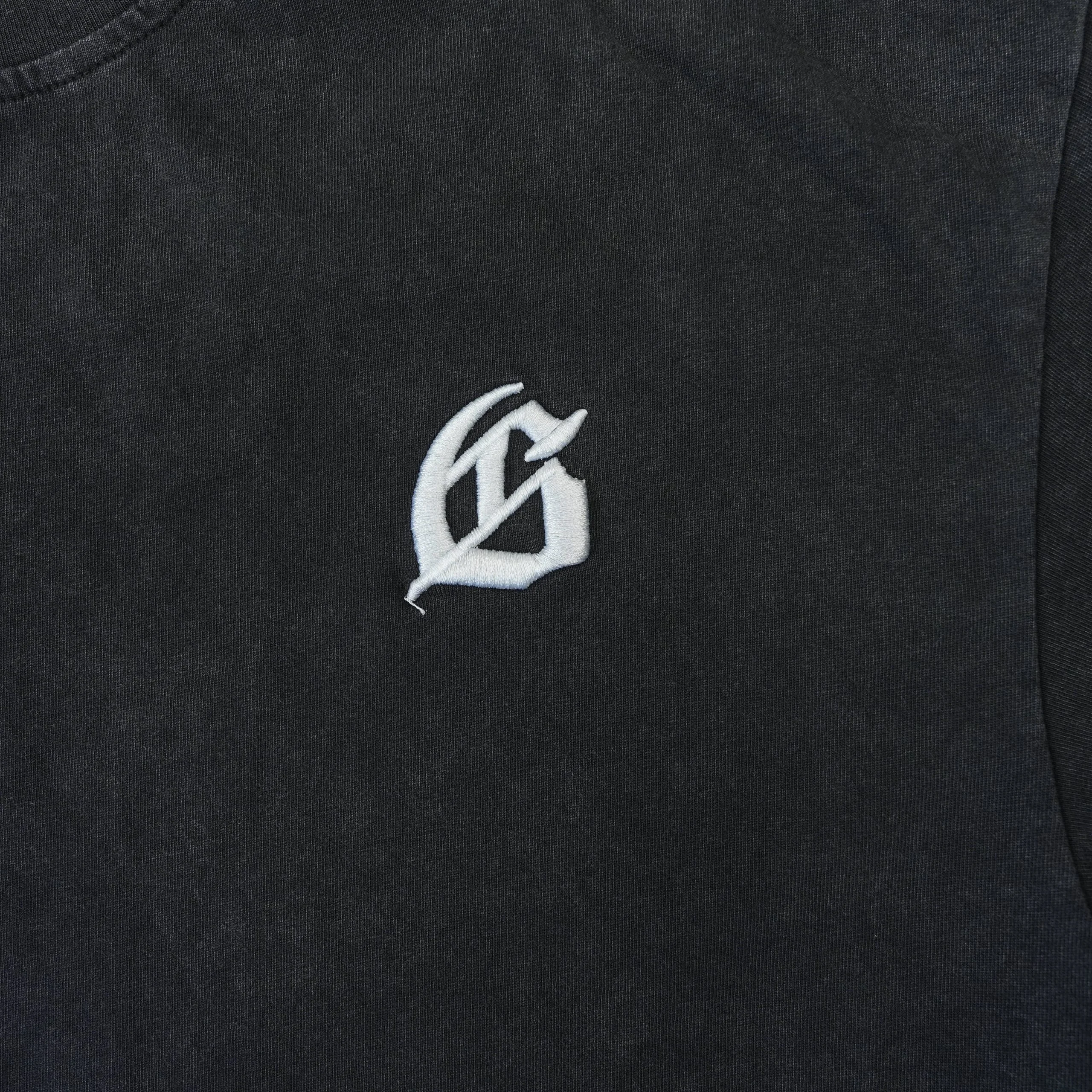
This helps explain why “god speed clothing” as a search term has climbed steadily — shoppers aren’t merely after an item, they’re after the feeling tied to it. A godspeed shirt appeals to them because the phrase already resonates, whether that’s a mantra they hold onto, a quiet nod to someone dear, or simply a fondness for the word’s vintage resonance reborn in modern clothing.
How the Name Comes Through Into the Product Line
Even the best name falls flat if the product doesn’t deliver. Everyday wearability is the foundation of the godspeed shirt line — something equally at home under a jacket in early spring or on its own in the summer sun. The godspeed hoodie, on the other hand, embraces the “journey” theme more directly: it’s the piece people reach for at airports, on road trips, or during long study sessions, because it’s tied to transition and momentum instead of stillness.
The design choices support the name instead of working against it. Minimal graphics let the word itself carry the message instead of burying it under unrelated imagery. That restraint is deliberate — when the name already does the bulk of the emotional pull, excessive styling around it weakens the effect. A single, intentionally placed word generally outperforms a crowded graphic, both in staying power and in secondhand resale value, where understated, word-focused garments consistently command 15–20% higher resale prices than graphic-heavy tees, per 2025 resale marketplace data.
Consistent sizing and fit matter just as much here, since a name-driven purchase can fall apart fast if the product fails to fit as the shopper anticipated. Shoppers who search “godspeed shirts” or “godspeed hoodie” are frequently first-time buyers pulled in purely by the name, which means the real item needs to deliver on that concept immediately, with no second chances.
Godspeed Compared to Other Names Built on Meaning
Weighing how Godspeed compares to other one-word, meaning-driven apparel names that have carved out space in the market proves instructive. The comparison beneath this lines up four brand-naming styles on origin, tone, and typical customer association, grounded in publicly available brand messaging as of early 2026.
| Style of Brand Name | Where the Word Comes From | Mood Conveyed | Common Customer Perception |
|---|---|---|---|
| Godspeed | A farewell blessing from Middle English | Encouraging, encouraging, marking change | Setting off, new beginnings, calm self-belief |
| Generic “Grind” labels | Modern hustle culture slang | Intense, rivalrous | Grind mentality, hunger to achieve, jokes about burnout |
| Everyday “Blessed”-branded labels | Vocabulary drawn from spirituality and religion | Rooted in thankfulness, gentle | Faith, positivity, Instagram-caption energy |
| Abstract invented names | With no roots in language history | Undefined, brand-dependent | Whatever marketing builds over time |
The table lays out the argument plainly: Godspeed arrives carrying inherent meaning that developed over hundreds of years, instead of significance a marketing department must invent from nothing. Made-up names can definitely earn equity gradually, but they launch from a blank slate. Godspeed starts with a running head start, and that’s a real structural advantage in a market where brand trust is earned in seconds, not months.
Why This Is Significant Heading Into 2026
Consumer behavior in 2026 continues shifting toward brands with a distinct outlook. Fast-fashion fatigue has nudged buyers in the direction of labels that feel considered rather than disposable — and a name drawing from authentic language history signals that consideration before a customer even reads the product description. Hardly by chance, searches combining feeling and clothing, phrases like “godspeed meaning” alongside “godspeed shirt,” have both grown in tandem over the past two years; shoppers want to know the meaning behind their clothes, not merely put them on.
There’s also a practical gifting angle worth noting. Language connected to goodbyes and travel suit particularly well graduation gifts, going-away presents, and milestone purchases — occasions that recur every year independent of shifting fashion trends. That gives a name like Godspeed a kind of seasonal durability that purely aesthetic brand names don’t always have.
In the end, the name is effective precisely because it isn’t overdone. It borrows from history, keeps its promise short, and lets the clothing carry the rest. Regardless of whether someone buys a godspeed shirt for a personal reason or purely likes its sound, the meaning is already there, waiting to be worn.


