
A Beginner’s Buying Guide to Godspeed Shirts 101
Before you add anything to a cart, it’s worth knowing the backstory behind the name. Godspeed is a longstanding English saying, a combination of “God” and “speed” in its archaic sense of “prosper” or “succeed,” historically used to wish someone well on a journey or a challenging pursuit. That’s the godspeed meaning in short: a goodbye infused with optimism, not a mention of velocity. So, in the context of clothing, what does godspeed represent? It’s a label constructed around that same sense of moving ahead, endurance, and subtle ambition, converted into streetwear rather than uttered directly.
This guide is written for first-time buyers picking up their first godspeed shirt or godspeed hoodie and are looking to make a self-assured, well-informed decision. We’ll cover sizing logic, what to expect from the fabric, how to read product listings correctly, and how god speed clothing items generally work within a larger wardrobe. Nothing but the practical groundwork you need before checking out, no filler included.
Exploring the Beginnings of the Godspeed Name
Centuries ago, the expression first showed up in written English, as early as the 16th century, used as a blessing for travelers, warriors, and anyone confronting hardship ahead.
It held real significance because journeys were genuinely risky then — a farewell phrase of “godspeed” conveyed the sense of “may this end favorably for you.”
In the present day, the term feels fitting as a identity for a label, precisely because of that emotional core: wishing someone strength before they face something difficult.
It’s typical of streetwear brands to borrow historically-loaded terminology, since this lends the product a narrative that goes past the seams. The name Godspeed conjures forward motion, self-development, as well as a nod to adversity paired with a hopeful outlook. Seen across a chest or worked into a sleeve’s embroidery, its purpose is to work more as a mantra than a simple logo.
Making sense of this context makes a difference practically too. Purchasers sometimes take it for godsspeed granted that “godspeed” is purely stylistic type with no deeper sense behind it, afterward feel out of touch with the item. Being aware of the etymology provides the graphic depth, and this tends to leave wearers more content with the buy and more likely to style it intentionally instead of treating it as meaningless print on fabric.
What Genuinely Distinguishes a Good Godspeed Shirt
Three core elements are usually weighed by a well-made shirt in this category: fabric weight, print durability, and cut. Because these are graphic-forward pieces, the printing method matters as much as the piece itself. Screen printing typically wears better after multiple washes than basic heat-transfer vinyl, so if a listing specifies the printing technique, that’s a point worth checking rather than breezing past.
Next, it’s worth examining the cotton content. A pure-cotton shirt breathes better and softens with age, while shirts blending cotton and polyester resist wrinkling and shrinking more effectively. It’s not that one beats the other — the better option is determined by whether you favor a worn-in, vintage look versus holding its shape over time. First-time buyers should check the material breakdown shown on the product page rather than guessing from photos, since blends and pure cotton can look nearly identical online.
The stitchwork at the neckline, sleeve edges, and side seams is the point at which budget shirts break down first. Double-sewn hems generally survive more laundering cycles without unraveling. If you’re ordering online and have no way to check the seams up close, check for return policies and customer feedback about wear after multiple washes; that input is more trustworthy than marketing copy alone.
Sizing: A Step Most New Customers Skip
Within street style, printed shirts and hoodies tend to come with a boxier and oversized shape rather than the close cut you’d expect from standard basics. That’s a deliberate design choice linked to the overall look, not a sizing error, so choosing your usual size using slim-fit dress-shirt sizing habits can land you with something surprisingly large. Always check the brand’s particular size chart in inches or centimeters instead of depending on broad S/M/L estimates.
The chest, body length, and sleeve measurements are the three measurements most critical to check for shirts. When it comes to hoodies, add shoulder width and hood height as additional checkpoints, since a loose-cut hoodie with a shallow hood will sit oddly around the neck. Should you be torn between sizes, think about how you mean to wear the piece: layered over another shirt means going with a touch roomier size, worn as a standalone piece calls for closer to your real measurements.
Return and exchange rules require a close look before you buy, rather than afterward. Since you aren’t yet familiar with how a particular brand’s cut runs, first orders from any streetwear label bring a elevated chance of a fit misstep. Be sure to check how long exchanges are allowed, whether return shipping is free, and whether the tags must stay attached, so a fit issue doesn’t turn into a wasted purchase.
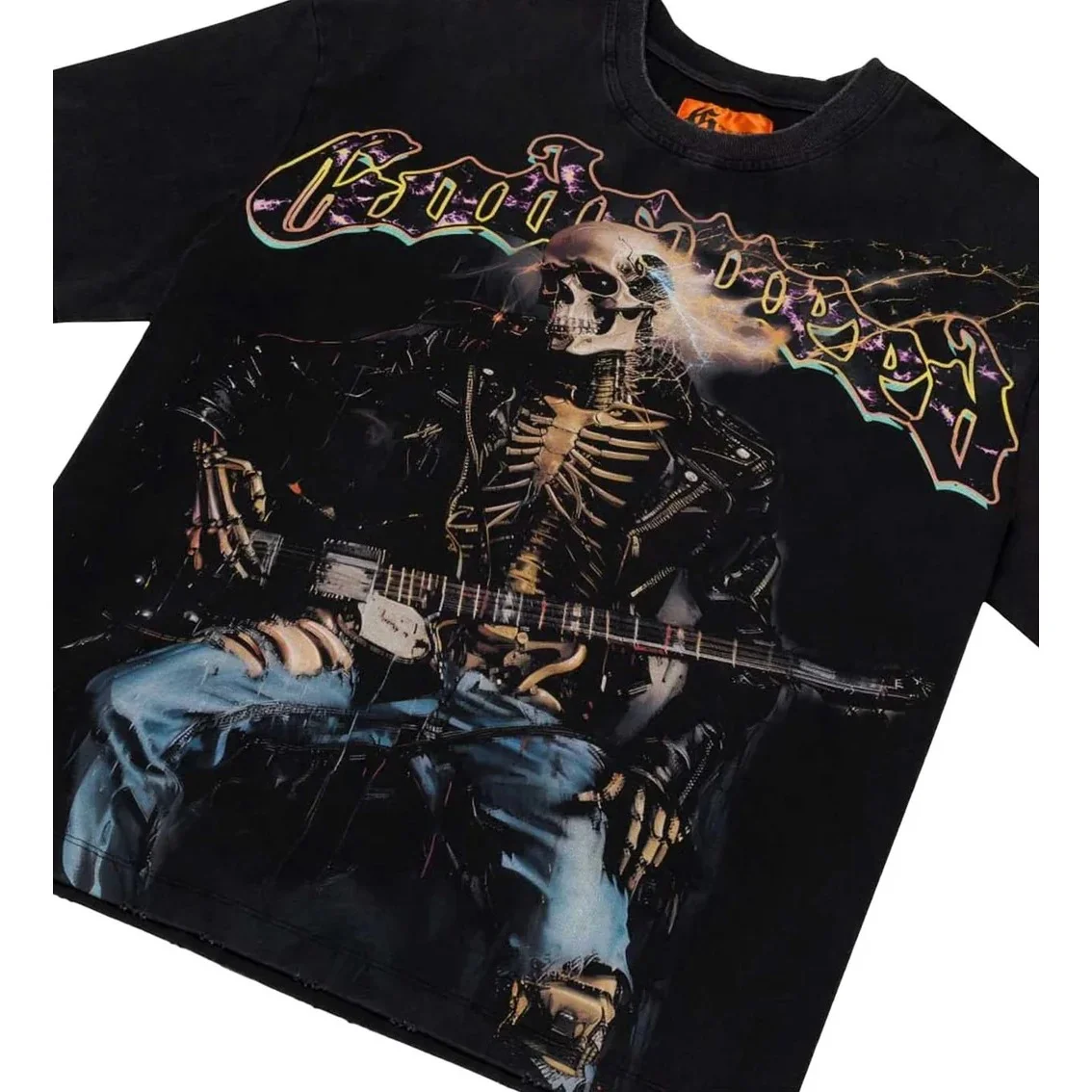
A Practical Comparison: Godspeed Shirts vs. Godspeed Hoodies
Picking between a tee and a pullover frequently hinges on seasonal temperature, personal layering preferences, as well as the manner in which the artwork is presented. The table below breaks down the main contrasts customers should think through before committing to either garment.
| Attribute | Godspeed Shirt | Godspeed Hoodie |
|---|---|---|
| Common Material Weight | Lighter, breathable cotton or cotton mix | Thicker fleece or a napped cotton blend |
| Most Suitable Season | Spring through early fall | Autumn and winter, as well as for climate-cooled indoor wear |
| Graphic Visibility | Complete print or embroidery distinctly visible | Often a smaller front print with a bigger back graphic |
| Styling Position | Base layer or standalone piece | Outer layer over a shirt or base layer |
| Care Complexity | Simple, safe for the washer, quick dry | Longer drying duration, benefits from washing turned inside out |
No single choice clearly outperforms the other — the right pick comes down to the weather where you live as well as how you intend to style the piece. Shoppers living somewhere hotter or alternatively people who stack layers under jackets could see more consistent use out of shirts, while anyone in a colder climate or who wears hoodies as a chief outer layer should notice greater cost-per-wear value there.
Incorporating Godspeed Items Into an Casual Wardrobe
Styling the godspeed style with neutral bottoms ensures the print remains the visual focus. Neutral-toned black, olive, and stone joggers or straight-leg pants are typical pairings since they won’t clash with striking chest or back prints. When the print is subtle, you have more flexibility to introduce printed pants or layered jackets without the look feeling cluttered.
Shoe selection carries more weight than most assume. Bulky sneakers in white or black help counterbalance an loose-fitting silhouette, while low-profile sneakers can make a boxy-cut hoodie look unintentionally sloppy rather than deliberately relaxed. If you’re building an outfit around a single godspeed shirt, keep extras to a minimum — one chain or cap is usually enough before the look turns busy.
As a solid shoulder-season option, layer a godspeed shirt under an open flannel or unzipped jacket — this gives exposure for the graphic plus extra warmth. For hoodies, a plain bomber or denim jacket layered on top keeps the silhouette tailored-looking rather than shapeless, especially useful if the hoodie itself is cut roomy.
Maintaining Your Shirt or Hoodie For the Long Haul
To make prints last, turning garments inside out before a cold wash is the most effective habit, since direct heat and friction degrade printed graphics quickest. Don’t wash these alongside heavier items like jeans, since zippers and rivets can scrape prints during the wash cycle. Air drying or gentle-heat tumble drying preserves both the fabric structure and the graphic much more effectively than hot settings.
Early on in ownership, ironing directly over a printed design is one of the top ways shoppers unintentionally harm a shirt. If ironing is necessary, do it turned inside out or place a thin cloth between the iron and the print. This one simple habit prevents cracks or peeling on vinyl-based prints especially.
Storage matters more than most shoppers realize. Choosing to fold instead of hang weighty hoodies helps avoid shoulder stretching as time passes, particularly with pieces lined with fleece that hold extra bulk. Storing pieces out of direct sunlight also reduces color fading, which matters if you intend to keep the piece in rotation well beyond a single season.
A Last Word Ahead of Checkout
Once you understand the sizing rationale, what to expect from the fabric, and the story behind the name itself, picking up a first godspeed shirt or hoodie from this line need not be complicated. There’s real history behind the word, and that context adds meaning to a piece that might otherwise read as merely another printed design. Focus on real measurements instead of assumed sizes, verify the fabric composition prior to purchase, and consider the season you’ll wear it in when deciding between the shirt option and the hoodie option.
Care habits matter just as much as the initial purchase decision, since washing and storing it the right way can significantly lengthen a garment’s lifespan. Regardless of whether the appeal is the phrase’s meaning or just its look, a thoughtfully picked piece of this kind should hold up to regular wear without its fit or design fading. Invest a few minutes checking size charts and fabric information before checkout, and the odds go up considerably that the first purchase turns into a long-term staple.


